

Instagram has emerged as a powerful platform for influencer collaborations, making
it crucial for brands to measure their campaign success accurately. Evaluating
performance through relevant influencer marketing metrics and thorough ROI
analysis ensures that your investment delivers tangible results. This guide will
explore how to measure the success of your Instagram campaigns, with a focus on
data driven strategies.
Why Instagram Campaign Measurement is Crucial
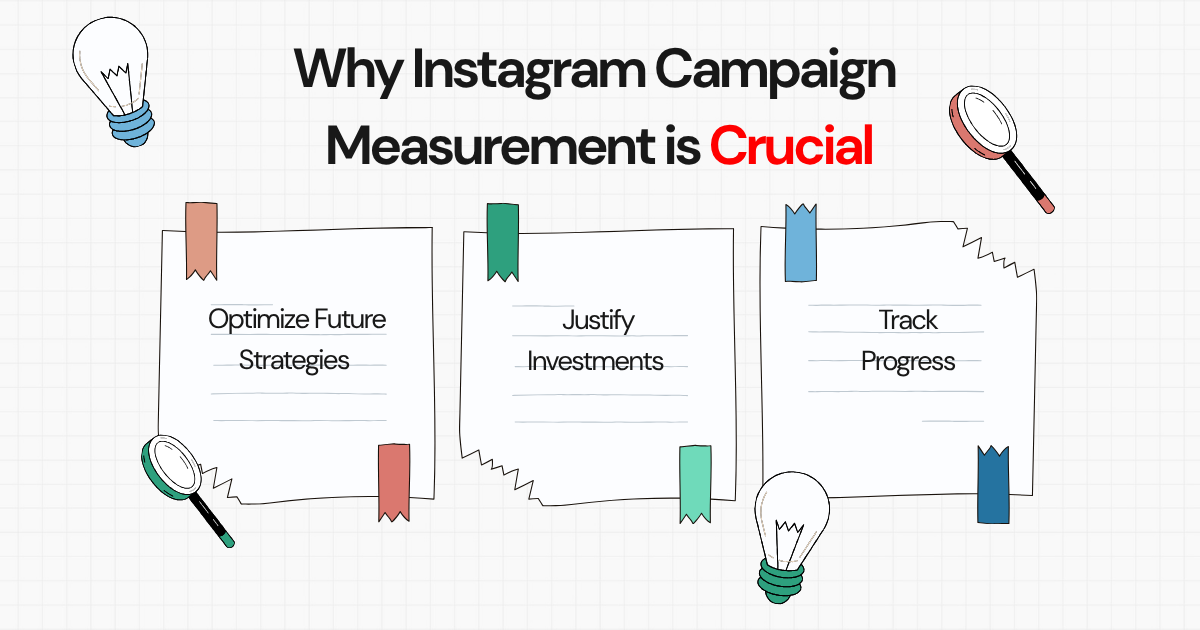
Measuring your Instagram campaign’s success is essential to:
–Optimize Future Strategies: By understanding what works, you can refine your
approach.
–Justify Investments: Accurate ROI analysis highlights the value of your influencer
partnerships.
–Track Progress: Monitor performance against specific goals using clear influencer
marketing metrics.
Without strong Instagram campaign measurement, it’s impossible to assess
whether your efforts align with your objectives.
Key Influencer Marketing Metrics to Track
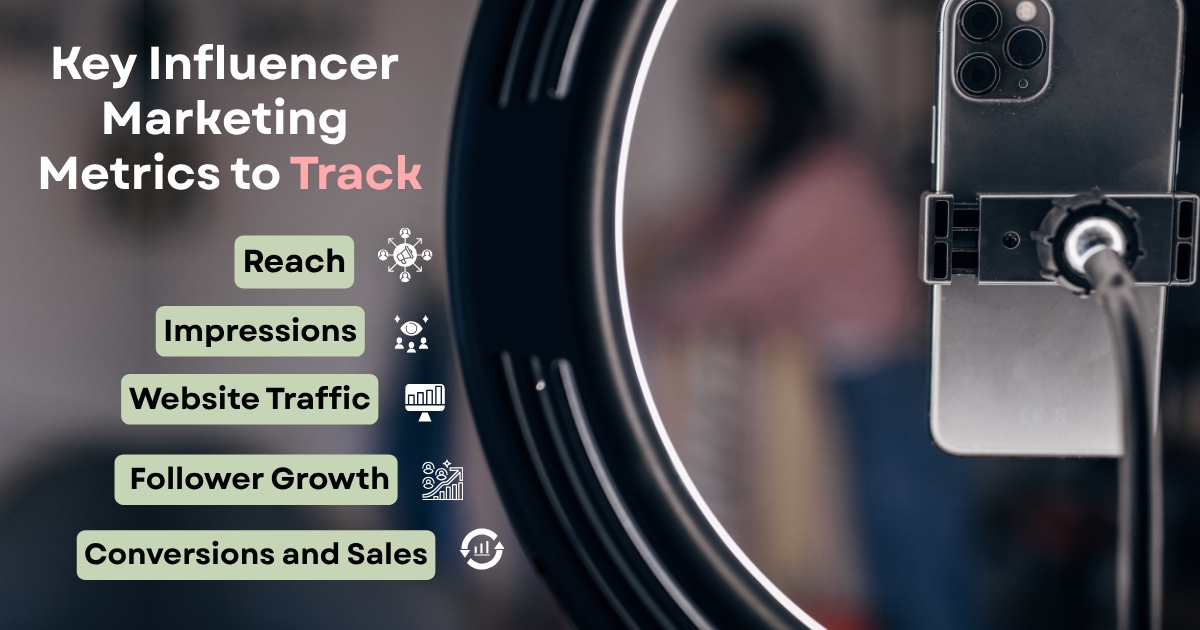
The success of an Instagram campaign hinges on identifying and analyzing the right
metrics. Here are the most critical influencer marketing metrics:
1. Engagement Rate
The engagement rate measures how actively an influencer’s audience interacts with
their content. It includes likes, comments, shares, and saves. High engagement
often indicates that the content resonates with followers, making it a vital
influencer marketing metric to track.
2. Reach and Impressions
Measuring through reach and impressions allow getting absolute insights into the
visibility of your campaign. Here is what is Reach and impressions defined as:
Reach: The number of unique users who see the campaign content.
Impressions: The total number of times the content is displayed.
3. Follower Growth
If your campaign drives a significant increase in followers, it’s a clear sign of
growing brand awareness. Use Instagram campaign measurement tools like
Instagram Insights to track these numbers.
4. Website Traffic
Monitor traffic driven from Instagram through analytics tools like Google Analytics.
UTM parameters can help identify the exact impact of influencer campaigns.
5. Conversions and Sales
Ultimately, sales and conversions are among the most important influencer
marketing metrics. These include direct sales through affiliate links or discount
codes and indirect conversions like app downloads or lead signups.
Key Influencer MarkPerforming an ROI Analysiseting Metrics to Track
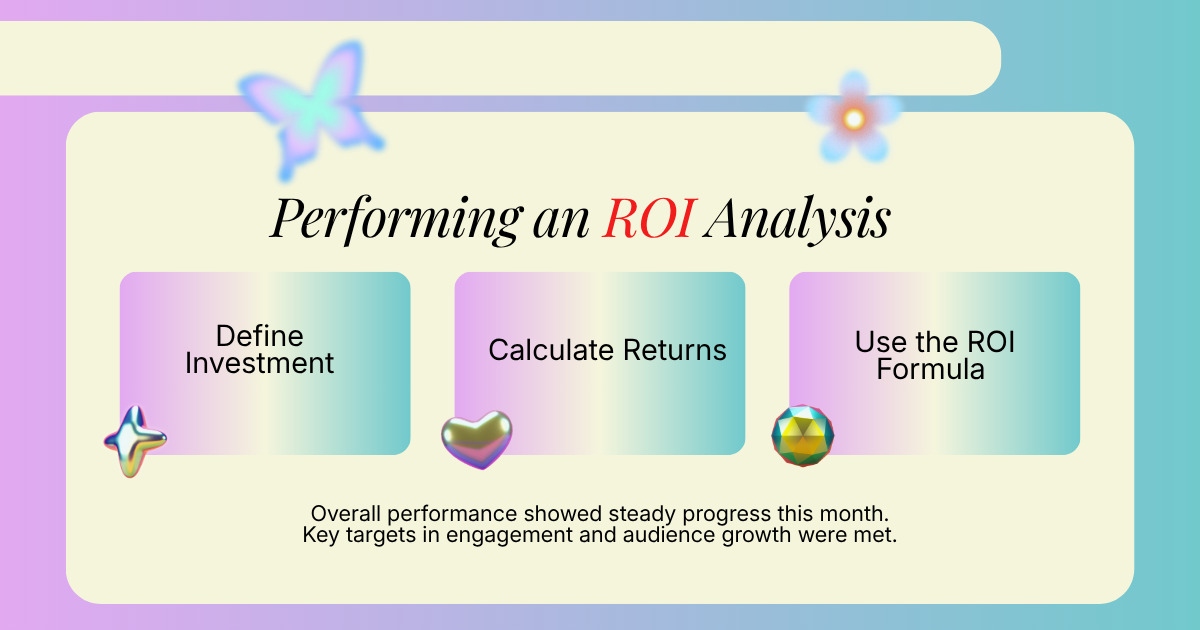
ROI analysis is the backbone of evaluating Instagram influencer campaigns. Here’s
how to calculate and interpret it:
1. Define Investment
Include all costs, such as influencer fees, product giveaways, and time spent
managing the campaign.
2. Calculate Returns
Returns may include revenue from sales, new followers gained, or leads generated.
Assign monetary value to non revenue outcomes, such as $1 per new follower.
3. Use the ROI Formula
The basic formula is:
ROI (%) = [(Returns Investment) / Investment] x 100
A positive ROI indicates a successful campaign, while a negative ROI suggests the
need for strategy adjustments.
Tools for Instagram Campaign Measurement
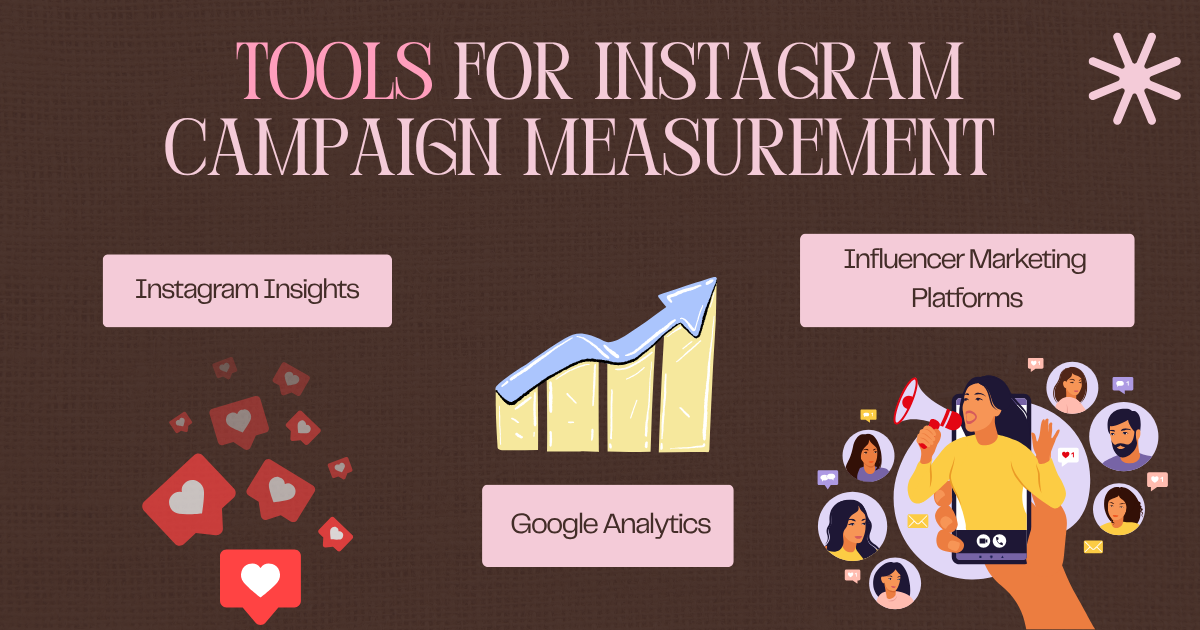
Several tools simplify tracking and analysis:
Instagram Insights: Ideal for basic engagement and reach metrics.
Google Analytics: Perfect for tracking traffic and conversions from Instagram
campaigns.
Influencer Marketing Platforms: Tools like HypeAuditor or AspireIQ offer in depth
influencer marketing metrics and performance reports.
These tools ensure accurate Instagram campaign measurement and help refine
future strategies.
Case Study: Analyzing Campaign Success
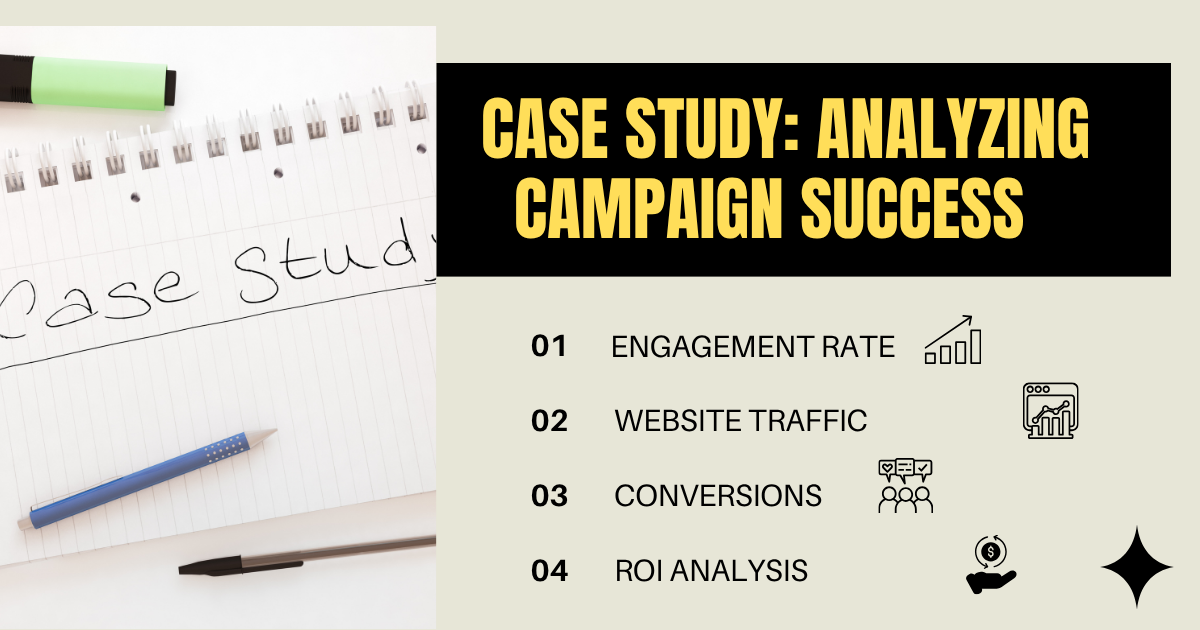
Imagine a skincare brand collaborates with a beauty influencer to promote a new
moisturizer. Here’s how they might measure success:
Engagement Rate: The sponsored post garners 20,000 likes and 1,000 comments,
resulting in an engagement rate of 5%.
Website Traffic: UTMtagged links show the campaign drove 15,000 visitors to the
website.
Conversions: Out of these visitors, 2,000 purchase the product, generating $60,000
in revenue.
ROI Analysis: With a $15,000 campaign cost, the ROI is [(60,000 15,000) / 15,000] x
100 = 300%.
This detailed approach to Instagram campaign measurement demonstrates the
campaign’s clear success.
Common Mistakes in Campaign Measurement
1. Focusing Only on Vanity Metrics
Metrics like likes and shares are important but don’t always indicate ROI. Balance
them with actionable data like sales and website traffic.
2. Ignoring LongTerm Impact
Some campaigns drive delayed benefits, such as brand awareness. Include this in
your ROI analysis.
3. Lack of Clear Goals
Without specific objectives, Instagram campaign measurement becomes ineffective.
Define measurable goals before launching any campaign.
How to Optimize Future Campaigns
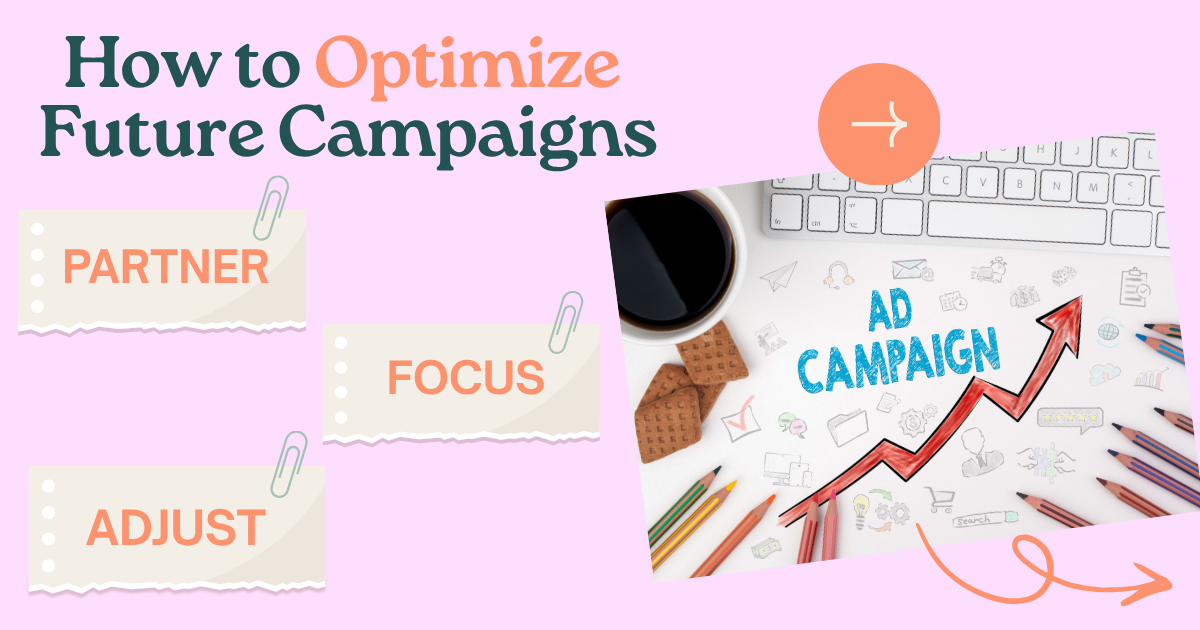
Use insights from your influencer marketing metrics to:
● Partner with influencers who drive the highest ROI.
● Focus on content types (e.g., Stories vs. posts) that generate the best
engagement.
● Adjust budgets to maximize returns.
Continuously refining your strategy based on data ensures your campaigns remain
competitive and effective.
Conclusion
Measuring the success of Instagram influencer campaigns involves analyzing key
influencer marketing metrics, performing thorough ROI analysis, and leveraging
advanced tools. Accurate Instagram campaign measurement not only highlights the
effectiveness of your efforts but also provides insights for ongoing improvement. By
focusing on both immediate outcomes and long term benefits, you can ensure your
campaigns deliver exceptional results and drive sustained growth.